
How Long Does Salmon Last in the Fridge? Storage & Safety Tips
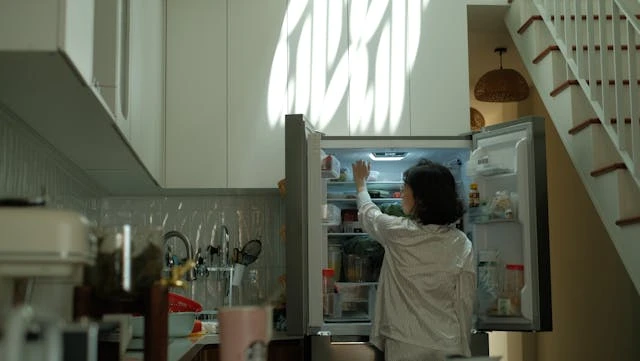
Salmon is a nutritious and flavorful fish, but it is also highly perishable and requires proper storage to stay safe to eat. How long salmon lasts in the fridge depends on whether it is raw, cooked, or smoked, as each type has a different safe storage window. Understanding these timelines helps prevent food waste, maintain quality, and reduce the risk of foodborne illness. In this guide, we’ll break down how long salmon lasts in the refrigerator and the key factors that affect its freshness.
Also Read: Solar Panels and Rare Earth Metals Power Modern Energy
How Long Does Salmon Last in the Fridge?
The shelf life of salmon in the refrigerator depends on its form—raw, cooked, or smoked—as well as how well it’s stored. Because salmon is a highly perishable seafood, proper handling and timely consumption are essential for both safety and quality.
In general, fresh raw salmon should be consumed within 1 to 2 days when kept in the fridge at the correct temperature (around 35–38°F / 1.7–3.3°C). The sooner you use it, the better the taste and texture will be.
Common Storage Timelines
Raw Salmon: 1–2 Days
Fresh raw salmon has the shortest shelf life. Even when refrigerated properly, it’s best to cook it as soon as possible after purchase to enjoy peak freshness and reduce the risk of spoilage.
Cooked Salmon: 3–4 Days
Once cooked, salmon can last longer. Store it in an airtight container or tightly wrapped to prevent exposure to air and moisture. Always allow it to cool before refrigerating, but don’t leave it at room temperature for more than 2 hours.
Smoked Salmon (Unopened): 1–2 Weeks
Unopened smoked salmon can last up to 1–2 weeks in the fridge, depending on the packaging and preservatives used. Always follow the “use-by” date on the package for best results.
Smoked Salmon (Opened): 5–7 Days
After opening, smoked salmon should be consumed within a week. Keep it tightly sealed or wrapped to maintain freshness and prevent it from drying out or absorbing odors from other foods.
Vacuum-Sealed Raw Salmon
- Sealed: Follow the package’s “use-by” or “sell-by” date
- Once opened: Use within 1–2 days
Even if vacuum-sealed, once exposed to air, the salmon becomes just as perishable as fresh fish.
Tips to Extend Salmon Freshness
Proper storage plays a critical role in keeping salmon safe to eat and maintaining its flavor, texture, and nutritional value. Here’s a more detailed look at how to maximize freshness:
1. Store in the Coldest Part of the Fridge
Always place salmon in the coldest area—typically the back of the bottom shelf. Avoid the fridge door, where temperatures fluctuate frequently due to opening and closing. Keeping salmon consistently cold slows bacterial growth and helps preserve quality.
2. Keep It Tightly Wrapped or Sealed
Exposure to air accelerates spoilage. Wrap salmon tightly in plastic wrap, aluminum foil, or store it in an airtight container. For even better results, consider vacuum sealing if you plan to store it for the full 1–2 days.
3. Use a Tray or Plate to Prevent Leaks
Raw salmon can release juices that may contaminate other foods. Placing it on a plate or tray not only prevents cross-contamination but also makes cleanup easier and keeps your fridge more hygienic.
4. Maintain a Consistent Temperature Below 40°F (4°C)
Temperature stability is key. Even small fluctuations can shorten the shelf life of seafood. Ideally, keep your fridge between 35–38°F (1.7–3.3°C) to ensure optimal freshness and food safety.
5. Keep Salmon in Its Original Packaging (Short-Term)
If you plan to use the salmon within a day, leaving it in its original packaging can help retain moisture. However, once opened, rewrap it properly to avoid exposure to air.
6. Avoid Frequent Handling
The more you handle raw salmon, the higher the risk of introducing bacteria. Try to keep it sealed until you’re ready to cook.
For better temperature stability and more reliable food preservation, a well-designed refrigerator can make a noticeable difference. wilprepkitchen.com offers refrigeration solutions that focus on consistent cooling and efficient airflow, helping keep delicate foods like salmon fresher for longer and reducing the risk of spoilage caused by temperature fluctuations.
How to Tell If Salmon Has Gone Bad
Salmon is highly perishable, so it’s important to recognize the warning signs of spoilage before consuming it. Even if it looks fine at first glance, subtle changes in smell, texture, or appearance can indicate that it’s no longer safe to eat.
Discard salmon immediately if you notice any of the following:
1. Strong Sour or Ammonia-Like Smell
Fresh salmon should have a mild, clean, ocean-like scent. If it gives off a sharp sour odor or a strong “fishy” or ammonia-like smell, it’s a clear sign that bacteria have started to break it down.
2. Slimy or Sticky Texture
While fresh salmon is naturally moist, it should never feel slimy or sticky to the touch. A slippery film on the surface is a common indicator of spoilage and bacterial growth.
3. Dull, Grayish, or Discolored Flesh
High-quality salmon typically has a vibrant pink or orange color. If the flesh appears faded, grayish, or has dark spots, it may no longer be fresh. Discoloration around the edges is often one of the first visual warning signs.
4. Dry or Mushy Texture
Spoiled salmon may feel unusually soft, mushy, or, in some cases, overly dry and flaky. This indicates a breakdown in the fish’s structure.
5. White Residue or Milky Film
A thick white or milky coating on raw salmon can signal protein breakdown or improper storage conditions.
6. Expired Storage Time
Even if the salmon looks and smells fine, it should not be consumed beyond recommended storage times (1–2 days for raw, 3–4 days for cooking). Time alone can make it unsafe.
Conclusion
Knowing how long salmon lasts in the fridge is essential for both food safety and quality. Raw salmon should typically be used within 1–2 days, cooked salmon within 3–4 days, and smoked salmon depending on whether it is opened or unopened. Always store salmon at a consistent, cold temperature and pay attention to signs of spoilage such as odor, texture changes, or discoloration. When handled properly, salmon can be enjoyed safely while maintaining its best flavor and nutritional value.