
How AI Is Quietly Transforming Small Food Businesses
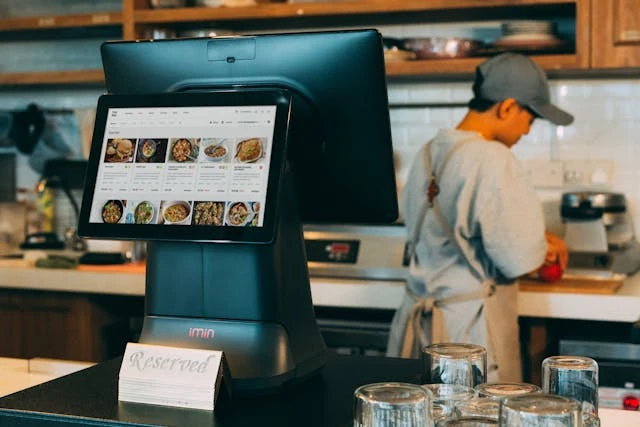
For years, artificial intelligence felt like something reserved for global restaurant chains and tech-heavy corporations. But in 2026, AI has become something far more practical — and far more subtle.
Small cafés, bakeries, food trucks, neighborhood restaurants, and independent beverage brands are increasingly using AI behind the scenes to solve everyday business challenges. Not through futuristic robots or fully automated kitchens, but through tools that help owners save time, understand customers, reduce waste, and compete more effectively in an increasingly digital marketplace.
Also Read: Air Curtains Boost Restaurant Efficiency and Guest Comfort
What makes this shift interesting is how quietly it’s happening. Many food entrepreneurs are already relying on AI-powered systems without publicly advertising it. In hospitality, authenticity still matters deeply, and business owners understand that customers want human experiences — not machine-driven interactions. Yet behind the counter, AI is becoming part of the operational backbone of modern food businesses.
Small Teams Are Using AI to Do More With Less
Running a food business has never been easy. Rising labor costs, inflation, staffing shortages, and tight margins continue to pressure small operators across the hospitality industry.
That is where AI is proving useful. Rather than replacing employees, many businesses are using it to reduce repetitive work and improve efficiency.
Restaurant owners are increasingly relying on AI-powered scheduling tools, inventory forecasting systems, and customer messaging platforms that simplify daily operations. These tools help smaller teams handle tasks that once required larger administrative staff.
For example, inventory software can now analyze purchasing trends and sales data to more accurately predict ingredient demand. This helps reduce over-ordering and food waste — a growing concern for both profitability and sustainability.
According to industry reports from the National Restaurant Association and Deloitte, operational efficiency has become one of the biggest drivers behind AI adoption in hospitality.
Marketing Has Become Faster and More Personalized
One of the most noticeable changes is happening in branding and marketing.
Small food businesses once struggled to maintain consistent social media content, email campaigns, and promotional materials while also running day-to-day operations. AI tools are helping bridge that gap.
Today, café owners can generate menu descriptions, create branded visuals, schedule social posts, and analyze customer engagement in a fraction of the time it once took. Some businesses are even using AI to study customer preferences and recommend promotions based on purchasing behavior.
The rise of AI usage in small food beverage business environments is largely tied to accessibility. What was once expensive enterprise technology is now available through affordable subscription platforms designed specifically for small businesses.
Importantly, the businesses succeeding with AI are not abandoning creativity. Instead, they are using automation to free up time for more meaningful customer interactions and brand storytelling.
Independent Brands Are Competing More Effectively
Historically, larger restaurant chains had a major advantage in data, technology, and marketing resources. AI is beginning to level that playing field.
Independent businesses can now access sophisticated tools to optimize pricing, track customer behavior, monitor online reviews, and improve local advertising performance.
For example, AI-driven analytics platforms can identify which menu items generate the highest profit margins or which promotions drive repeat visits. Small businesses can make faster, data-informed decisions without hiring expensive consultants.
This matters because customer expectations have evolved. Consumers increasingly expect personalized experiences, quick responses, and consistent digital engagement — even from small local businesses.
AI allows independent operators to meet those expectations while maintaining the personality and authenticity that customers value.
The Human Element Still Matters
Despite the growing role of automation, hospitality remains deeply human.
The most successful food businesses are not using AI to replace warmth, creativity, or personal service. Instead, they are using it to support those qualities.
Customers still care about atmosphere, hospitality, and emotional connection. A thoughtfully designed café or neighborhood restaurant succeeds because of its people, culture, and experience — not because it uses advanced software.
This is why many food entrepreneurs quietly adopt AI. Public conversations around automation can sometimes create concerns about losing authenticity or replacing workers. In reality, most small businesses are simply trying to operate more efficiently in a difficult economic environment.
The technology itself is becoming less visible and more integrated into everyday business operations.
AI Is Shaping the Future of Hospitality
The long-term impact of AI on small food businesses may ultimately come down to adaptability.
Owners who understand how to combine technology with strong customer experiences are likely to have a competitive advantage in the coming years. AI can improve efficiency, reduce operational stress, and provide valuable business insights, but it works best when paired with genuine hospitality and a clear brand identity.
As tools continue evolving, AI will likely become as normal as online ordering systems or digital payment platforms. Customers may never fully see the technology working behind the scenes, but they will notice faster service, better communication, more relevant marketing, and smoother experiences overall.
For small food businesses navigating rising costs and changing consumer behavior, that quiet transformation may become one of the most important shifts in the modern hospitality industry.