How to Increase Restaurant Delivery Efficiency
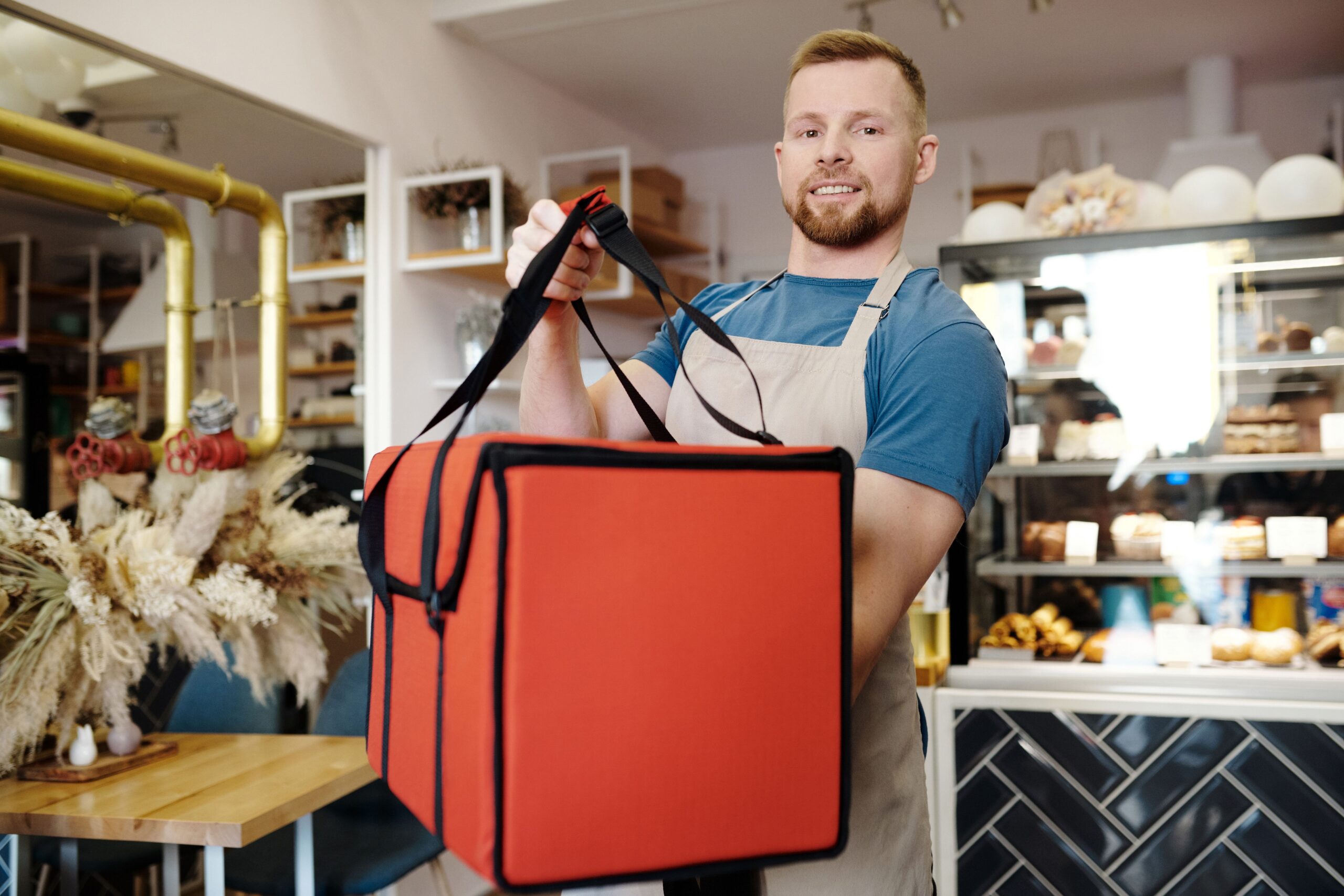
Delivery is no longer a side operation. For many restaurants, it’s the busiest part of the day. That means every wasted minute in the kitchen, on the road, or at the door shows up directly in your bottom line.
Why Delivery Efficiency Determines Your Margins
Late deliveries don’t just annoy customers. They cost repeat business. Restaurant customers already flag lateness as a top complaint, with peak-hour tardiness cited as the most common problem in the industry, according to a Deliverect industry report. If your kitchen and dispatch process can’t keep pace during rush hours, that gap gets noticed fast.
Efficiency isn’t one lever. It’s a chain: order intake, prep timing, packaging, dispatch, and the actual drive. A weak link anywhere slows the whole system down, even if the rest of your operation runs well. Fixing this starts with mapping where time actually gets lost, not guessing at it.
A delivery route planner is one of the fastest fixes available here. Instead of drivers guessing at the best path or backtracking across town, route planning software groups orders by location and timing. It cuts drive time between drops and reduces the odds of a driver sitting in traffic while food goes cold in the bag.
Where Restaurants Lose Time Without Noticing
Most delivery delays don’t happen because of traffic. They happen inside the building, before the driver even leaves.
Common bottlenecks include:
- Orders sitting on the pass because no one confirmed pickup timing with the driver
- Kitchens firing delivery tickets in the same queue as dine-in, with no priority system
- Packaging stations that aren’t stocked, forcing staff to hunt for containers mid-rush
- No clear handoff point, so drivers wander the kitchen looking for their order
- Drivers assigned to orders before food is actually ready, leading to idle wait time at the counter
Each of these adds two to five minutes per order. During a dinner rush with 40 or more delivery tickets, that adds up to hours of lost time across the shift.
Building a Faster Kitchen-to-Door Workflow
Fixing this doesn’t require new equipment. It requires a clear sequence.
Start with ticket separation. Delivery orders should print or display separately from dine-in tickets, with a visible timestamp. Kitchens that mix the two queues almost always let delivery slip during busy periods, since dine-in feels more immediate to staff standing in front of a table.
Next, fix the handoff. Designate one spot near the door for completed delivery orders. Drivers should never need to walk into the kitchen to find their bag. A single shelf with order numbers and a small screen showing which orders are ready removes almost all of the confusion that slows pickup.
Finally, time dispatch to food readiness, not order placement. If a driver is called the moment an order comes in, they’ll often arrive before the food is packed and stand around waiting. Dispatching based on estimated prep completion, rather than order time, keeps drivers moving and food fresher.
Small Details That Improve the Delivery Experience
Efficiency isn’t only about speed. It’s also about what arrives at the door.
Packaging quality affects how a meal looks after a 15-minute ride. Containers that leak or let food slide around create a bad first impression, even if the delivery was fast. This is also where small branded touches matter. Adding custom coasters to delivery orders gives customers a tactile reminder of your restaurant that survives long after the meal is finished, and it costs very little per order compared to the lift in perceived quality.
Temperature control matters just as much. Insulated bags, sealed lids, and separating hot and cold items inside the same order all reduce complaints that have nothing to do with drive time but still get blamed on “slow delivery.”
Train Staff Around Delivery Standards
Even the best systems fall short if employees aren’t following the same process. Regular training helps kitchen staff, cashiers, and drivers understand how their roles affect delivery speed and customer satisfaction. Review pickup procedures, packaging standards, and communication protocols during team meetings, especially before busy weekends or promotional events.
Encourage staff to report recurring delays so managers can address workflow issues early instead of letting them become routine. When everyone follows consistent delivery standards, orders move more smoothly from the kitchen to the customer, reducing mistakes, minimizing wait times, and creating a more reliable delivery experience that encourages repeat business.
Measuring Whether Changes Worked
None of this matters without tracking results. Watch three numbers weekly: average time from order to dispatch, average drive time per delivery, and the percentage of orders delivered within your stated window. If one number improves while another slips, you’ve likely shifted a bottleneck rather than removed it.
Small, consistent changes to workflow and routing compound over a full month of service. Restaurants that treat delivery as a measurable process, rather than a background task, tend to see steadier results than those relying on driver instinct alone.