How Custom Coffee Bags Help You Launch Limited or Seasonal Roasts
Limited and seasonal coffee releases are a powerful way for roasters to keep customers excited. A holiday blend, single-origin micro lot, summer cold brew roast, fall spice profile, or anniversary release can create urgency and give loyal buyers something new to try. But launching these products successfully takes more than a great roast. You also need packaging that can move as quickly as your menu.
That is where custom coffee bags make a real difference. Coffee packaging needs to protect aroma, freshness, and flavor while also giving each roast a clear identity. When a customer sees a limited release on a shelf or online, the bag should immediately communicate what makes it special, whether that is origin, tasting notes, roast level, processing method, or seasonal inspiration.
For small and growing roasters, packaging flexibility is essential. Traditional packaging can make limited runs difficult because large minimums and long lead times may not match the pace of seasonal launches. Digital flexible packaging helps solve that problem by allowing brands to create high-quality custom bags in practical quantities, update artwork quickly, and test new concepts without committing to excess inventory.
How On-Demand Printing Enables Rapid SKU Changes
Coffee brands often manage many SKUs at once. A roaster may offer core blends, espresso roasts, decaf, single-origin lots, subscription exclusives, wholesale products, and seasonal releases. Each one needs accurate packaging with the right name, roast level, flavor notes, origin details, weight, barcode, and brand message.
On-demand printing makes those SKU changes easier. Instead of being locked into one large packaging run, roasters can print bags based on current needs. This is especially helpful when green coffee availability changes, a seasonal roast sells out, or a limited lot needs updated tasting notes. Packaging can keep up with the actual product rather than forcing the product to fit outdated bags.
Digital printing also removes many of the barriers that come with traditional print methods. Brands can create sharp graphics, vibrant colors, and detailed designs without the same plate costs or setup delays. This gives roasters more freedom to design packaging that reflects each roast’s personality.
For example, a winter blend might use warm colors and cozy flavor cues. A summer roast may feature bright design elements that suggest citrus, florals, or cold brew. A single-origin release can highlight the farm, region, altitude, and processing method. These details help customers understand why a roast is different and why they should buy it now.
Coffee brands can take inspiration from other fast-moving categories like snack packaging, where seasonal flavors, limited drops, and bold packaging are often used to drive trial. The same strategy works well in coffee. A strong visual system can help a limited roast stand out while still feeling connected to the larger brand.
How Small Runs Make Testing New Flavors Easy
Small packaging runs are ideal for testing new coffee concepts. Not every roast needs to become a permanent product. Some releases are meant to gauge customer interest, support a local event, highlight a producer relationship, or give subscribers an exclusive experience. Ordering thousands of bags for a test roast can create unnecessary risk, especially when the coffee itself may only be available in a limited quantity.
With smaller custom runs, roasters can experiment more confidently. They can launch a new flavor profile, try a different bag size, test a new design, or offer a limited roast through one sales channel before scaling it more broadly. If the product performs well, the brand can reorder or expand the release. If it does not, the company is not left with piles of unused packaging.
Small runs also support better freshness management. Coffee is time-sensitive, and seasonal releases often depend on precise timing. A roaster does not want packaging inventory sitting around long after the promotion ends. Flexible order quantities allow packaging to align more closely with production schedules, sales forecasts, and roast dates.
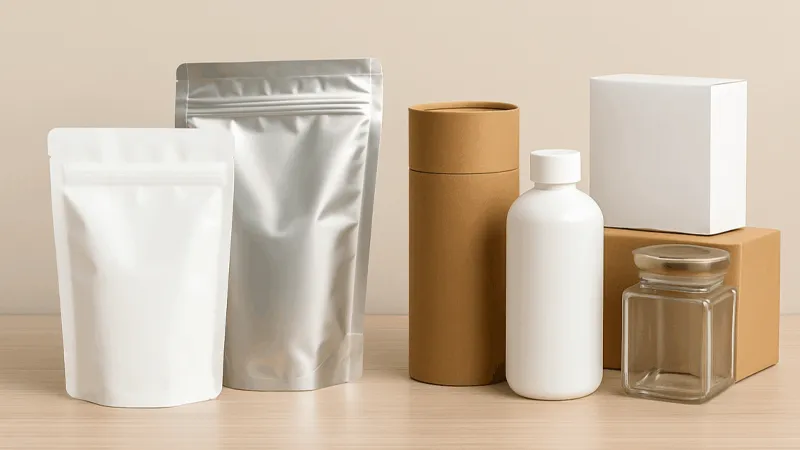
Packaging format matters too. Flexible pouches are well suited for roasted coffee because they can be customized with barrier films, resealable zippers, degassing valves, tear notches, and different finishes. These features help protect the coffee while giving customers a convenient package they can use every day.
Custom flexible packaging also improves storytelling. Limited roasts often have more personality than standard products. Maybe the coffee comes from a small farm, uses an experimental process, supports a community project, or celebrates a seasonal moment. Custom artwork and messaging allow roasters to share that story directly on the bag.
For ecommerce, custom coffee bags can also improve the unboxing experience. A limited roast should feel special when it arrives at a customer’s door. Strong design, clear labeling, and premium packaging help reinforce the value of the release and encourage customers to share it, review it, or come back for the next drop.
Custom coffee bags help roasters launch limited and seasonal products with more speed, flexibility, and confidence. On-demand printing makes SKU changes easier, while small runs reduce risk and encourage experimentation. With the right flexible pouch format, roasters can protect freshness, tell better stories, and create packaging that makes every limited release feel worth discovering.
For coffee brands that want to stay fresh in a competitive market, custom packaging is not just a finishing touch. It is part of the launch strategy.