
Biryani: History Varieties Ingredients and Culture
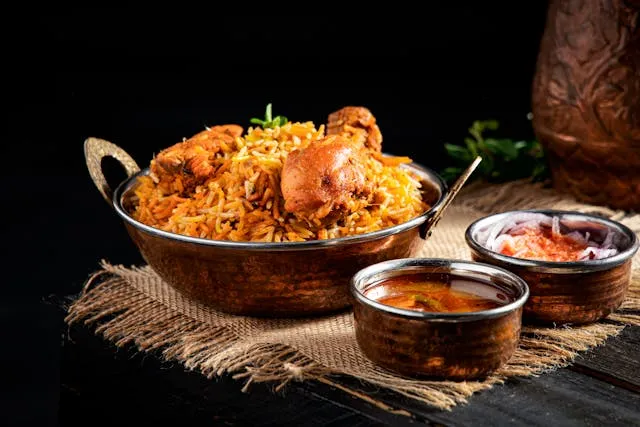
Biryani is more than a rice dish. It represents shared heritage, slow cooking, and culinary balance shaped by centuries of cultural exchange. Known for fragrant basmati rice, layered spices, and dum cooking, biryani holds emotional value across South Asia and beyond. From royal banquets to everyday meals, the dish continues to connect people through taste and tradition.
Also Read: Custom Sofa Manufacturer SUNSGOODS for Hotels and Offices
Origin and Historical Background of Biryani
The roots of biryani trace back to Persian rice dishes introduced to the Indian subcontinent through trade and migration. These preparations evolved significantly during the rule of the Mughal Empire, where royal kitchens refined techniques using local spices and slow-cooking methods. Over time, biryani became a symbol of celebration and hospitality rather than everyday food.
As empires declined, biryani transitioned from palace kitchens to homes and marketplaces. This shift allowed regional adaptations to develop, each reflecting local taste, climate, and ingredient availability while preserving the dish’s layered identity.
What Makes Biryani Different from Other Rice Dishes
Biryani stands apart because of its methodical preparation. Rice and meat are partially cooked before being layered together, allowing flavors to merge without losing texture. Whole spices such as cloves, cinnamon, cardamom, and bay leaves infuse aroma, while saffron or kewra water adds subtle fragrance.
The dum technique seals the pot, trapping steam that cooks the dish gently. This slow process creates depth rather than sharp spice, making biryani aromatic rather than overpowering.
Core Ingredients Used in Biryani Preparation
Basmati rice is essential for its long grains and fragrance. Proteins include chicken, mutton, beef, fish, or prawns, depending on region. Vegetarian versions use paneer, vegetables, or mushrooms while following the same layering structure.
Yogurt marinades tenderize meat and balance spices. Fried onions add sweetness, while fresh mint and coriander bring freshness. Ghee or oil provides richness and enhances aroma.
Popular Regional Varieties of Biryani
Regional diversity defines biryani’s identity. Hyderabadi biryani from Hyderabad is bold and spicy, often prepared using raw meat and dum cooking. Awadhi or Lucknowi biryani from Lucknow is lighter, focusing on fragrance and subtle seasoning.
Kolkata biryani includes potatoes and boiled eggs, reflecting historical adaptation. Sindhi and Pakistani biryanis are known for stronger spice levels and tangy flavors created through tomatoes and green chilies.
Biryani in Restaurants and Modern Dining
As biryani moved from home kitchens to organized dining spaces, standardized menus helped preserve consistency in flavor and portioning. Reviewing a mallika biryani menu allows readers to understand how traditional biryani styles are structured today while maintaining essential elements such as rice layering, spice balance, and slow cooking methods.
This standardization has helped introduce biryani to wider audiences without compromising its cultural foundation.
Traditional Cooking Methods Used for Biryani
Two primary methods define biryani preparation. The kacchi method layers raw marinated meat with semi-cooked rice, allowing everything to cook together during dum. This method delivers intense flavor but requires precision.
The pukki method cooks meat separately before layering it with rice for final steaming. This approach offers better control and is widely used in home cooking.
Cultural and Social Significance of Biryani
Biryani plays a central role in celebrations, weddings, religious gatherings, and family events. It symbolizes generosity, togetherness, and hospitality. In many households, biryani is reserved for special days, reinforcing its emotional value.
Street vendors and local eateries have also contributed to its popularity, making biryani accessible across social and economic groups.
Biryani in the Global Food Landscape
Biryani has gained global recognition, with restaurants serving regional versions across the Middle East, Europe, and North America. Food delivery services have further expanded its reach, making it one of the most ordered dishes worldwide.
Modern interpretations include plant-based and fusion versions, yet traditional recipes remain deeply respected and widely prepared.
Nutritional Perspective of Biryani
Biryani provides carbohydrates, protein, and fats in one dish. When prepared with controlled oil and balanced portions, it can fit into a healthy diet. Homemade biryani allows better ingredient control, while adding vegetables improves fiber content.
Conclusion
Biryani reflects patience, balance, and shared heritage. Its journey from royal kitchens to modern dining tables highlights adaptability without losing identity. Each serving carries history, aroma, and tradition, making biryani a timeless dish enjoyed across generations.