
Traditional Italian Comfort Foods That Warm the Soul
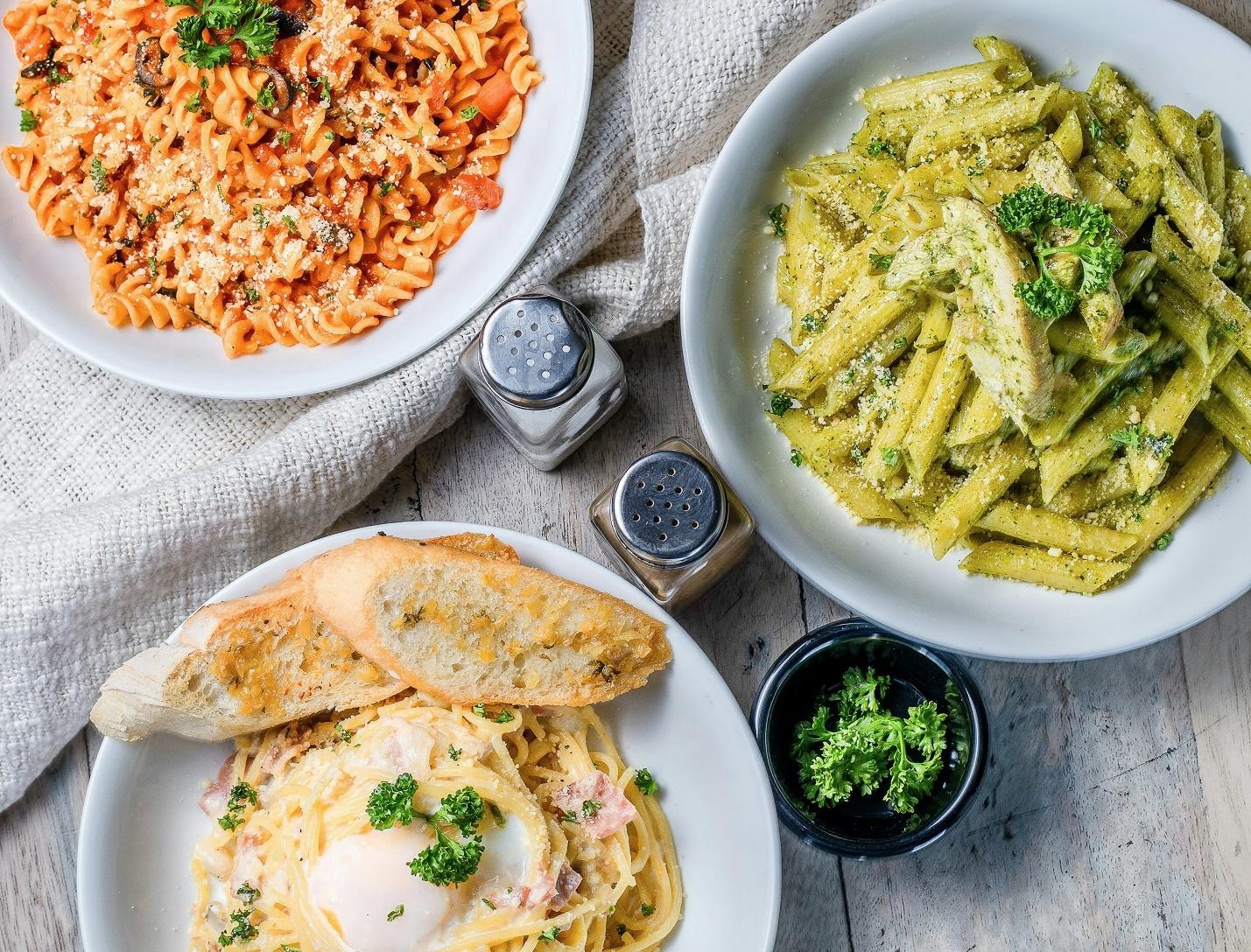
Italian comfort food begins with cucina povera, the traditional “peasant cooking” that shaped much of the country’s culinary identity. Families cooked with what they had on hand, relying on dried beans, seasonal vegetables, grains, and modest cuts of meat. They wasted nothing and valued patience over extravagance. That philosophy still defines the dishes we now consider classic. When temperatures drop, these meals offer more than calories. They provide warmth, nourishment, and a sense of continuity with generations past.
What makes Italian comfort food so satisfying is its discipline. Cooks focus on a handful of high-quality ingredients and treat them with care. A pot simmers. Aromatics soften gently in olive oil. Flavors deepen over time instead of being rushed. In colder months, especially, this approach feels practical and grounding. It reminds us that good food does not require complexity; it only requires attention and respect for the process.
Rustic Regional Stews: Italy’s Bowl of Comfort
Across Italy, regional stews show how simple ingredients can create dishes rich in flavor. In central regions such as Umbria and Tuscany, lentils and beans form the backbone of many winter meals. These central Italian regions rely on pulses not only for nourishment but also for depth, texture, and warmth. When cooked slowly with herbs, seasonal vegetables, and generous olive oil, both lentils and beans transform into dishes that feel rustic yet refined. An Umbrian style lentil stew is one perfect example.
Lentils tend to hold their shape as they absorb broth and aromatics, creating a texture that is hearty yet light. Beans, on the other hand, soften and release their starch, giving the broth a gentle creaminess. A final drizzle of olive oil brings everything together, enhancing both flavor and aroma. These soups meet a simple winter need: they provide comfort and substance without feeling heavy, proving that traditional cooking can feel elevated while remaining true to its roots.
Northern vs. Southern Comfort: A Delicious Contrast
Italy’s geography shapes its comfort food traditions. In the North, colder climates encourage richer ingredients such as butter, cream, rice, and aged cheeses. Dishes like risotto and slow-braised meats reflect Alpine influences and a reliance on dairy. These meals feel structured and often center on careful technique. Rice absorbs broth gradually, and sauces reduce to a deeper concentration.
In the South, cooks lean on olive oil, tomatoes, garlic, and durum wheat. The flavors taste brighter but remain deeply satisfying. Slow-simmered tomato sauces and seafood stews dominate coastal regions, while inland areas focus on legumes and vegetables. Despite these differences, both regions share a commitment to patience and balance. Whether you cook with butter or olive oil, the goal remains the same: build flavor step by step.
The Foundation of Flavor: Mastering the Soffritto
To understand Italian comfort food, start with soffritto. This mixture of finely chopped onion, celery, and carrot serves as the base for countless soups, stews, and sauces. Cooks sauté the vegetables slowly in olive oil until they soften and release natural sweetness. The process requires attention. Too much heat scorches the vegetables, creating bitterness. Gentle heat allows sugars to develop gradually.
Once the soffritto turns fragrant and tender, it anchors the rest of the dish. Lentils, beans, or meat absorb their flavor as they cook. Some regions add pancetta or garlic for extra depth, but the principle remains the same. A well-made soffritto creates structure. It ensures that every spoonful tastes balanced rather than flat.
Slow-Cooked Classics: Beyond Pasta and Pizza
When people think of Italian food, they often picture pasta and pizza. However, comfort cooking extends far beyond those staples. Slow-braised dishes like osso buco, chicken cacciatore, and beef brasato highlight the power of time. Tough cuts of meat soften as collagen breaks down, creating tender texture and rich sauce. The method transforms economical ingredients into impressive meals.
Successful braising depends on control. Use a heavy pot that retains heat evenly. Brown the meat first to develop flavor, then cook it gently with broth, wine, and aromatics. Avoid rapid boiling, which toughens protein and clouds the sauce. Allow the dish to rest before serving so flavors settle and intensify. These classics reward patience and deliver reliable comfort.
Legumes and Pulses: The Mediterranean Secret to Hearty Warmth
Legumes sit at the center of traditional Italian comfort cooking. Lentils, chickpeas, and cannellini beans provide affordable protein and lasting energy, which makes them essential in rural households. They also absorb flavor exceptionally well. When simmered with garlic, sage, rosemary, and good olive oil, they develop a savory depth that feels substantial without relying on heavy cream or excessive meat. This balance makes them ideal for colder months.
Cooking pulses properly requires attention. Soak dried beans when needed, season thoughtfully, and avoid over-salting early in the process. Gentle simmering preserves texture and prevents splitting. A final drizzle of olive oil or a sprinkle of aged cheese enhances the dish’s richness without overwhelming it.
Winter Staples: The Comforting Magic of Risotto and Polenta
Risotto demands patience, but the results justify the effort. Arborio or Carnaroli rice releases starch slowly as you add warm broth in stages. Stirring encourages creaminess while maintaining structure. The goal is a texture that flows slightly on the plate without turning soupy. Seasonal ingredients such as mushrooms, squash, or seafood can be incorporated naturally into this base.
Polenta offers a different but equally satisfying experience. Made from ground cornmeal, it cooks slowly in water or broth until smooth and thick. Stir consistently and control the heat to prevent lumps. Serve it soft beneath braised meats or allow it to set and slice later. Both dishes show how simple grains transform through technique and attention.
Achieving the Perfect Broth-to-Body Ratio in Soups and Stews
Balance defines a great soup. Too much liquid results in a thin dish, while too many solids produce a heavy stew. Start with enough broth to cover ingredients comfortably, then adjust as the dish cooks. Legumes and grains release starch, naturally thickening the liquid. Crushed vegetables also add body without flour or cream.
Taste and observe near the end of cooking. If the soup feels too dense, add warm broth gradually. If it seems watery, simmer uncovered to reduce excess liquid. Texture should feel cohesive and satisfying. This small adjustment often separates an average dish from a memorable one.
Embracing the Slow-Food Spirit
Traditional Italian comfort foods rely on patience, balance, and respect for ingredients. Legumes provide substance, grains offer structure, and pantry staples build depth. Careful control of texture ensures soups and stews feel satisfying rather than heavy. Each element works together to create meals that nourish both the body and culture.
When you slow down in the kitchen, flavors develop naturally. You pay attention to detail and make deliberate choices. That approach defines the spirit of Italian comfort cooking. It invites you to cook with intention and share food that feels grounded, generous, and deeply satisfying.