What Does a Truly Disaster-Ready Home Look Like in 2026?

Resilient homes in 2026 are designed with preparation built into everyday life rather than treated as an afterthought. Increasingly unpredictable weather patterns, temporary grid failures, and localized emergencies have changed how households think about safety and continuity. A disaster-ready home is not necessarily high-tech or expensive, but it is intentional in its planning and upgrades. From backup electricity to water management and community coordination, readiness now touches every part of the property. Families who prepare in advance experience less stress and recover more quickly when disruptions occur. In this article, the essential features that define a truly disaster-ready home in 2026 will be clearly outlined.
1. It Runs on Backup Power—Ready at All Times
A disaster-ready home does not wait until the lights go out to think about electricity. Backup power systems are charged, tested, and positioned for immediate use. Instead of scrambling for extension cords in the dark, essential devices such as refrigerators, routers, and medical equipment are already accounted for. Many households now keep a portable power station station in a central storage area, ready to move where needed. Systems like the Anker SOLIX power station are often selected because they deliver stable output with multiple built-in safety protections, allowing safe indoor operation during emergencies. With quiet performance and dependable battery capacity, such units can support daily essentials without fuel storage or exhaust concerns. Continuous readiness ensures that daily life can continue even when the grid temporarily fails.

2. It Stays Dry When Water Rises
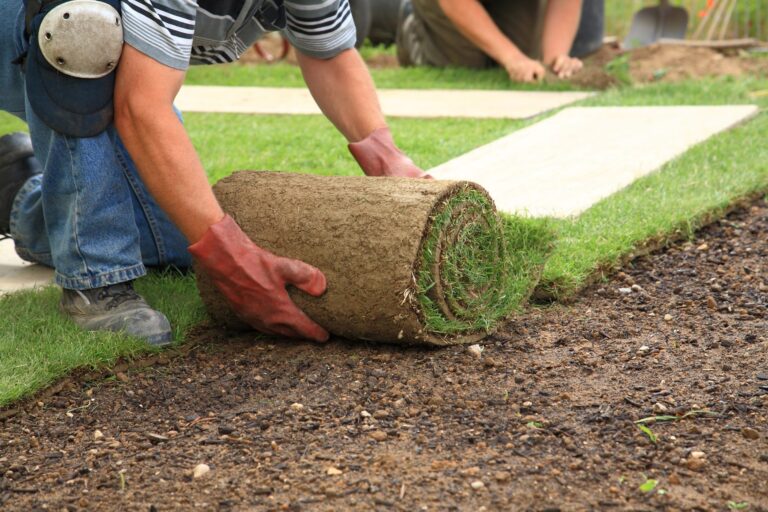
Graded landscaping directs water away
A disaster-ready home begins its flood defense outside. Proper grading ensures that rainwater flows away from the foundation rather than pooling around it. Downspouts extend several feet from exterior walls to prevent soil saturation. Permeable surfaces such as gravel paths allow water to drain naturally. These measures reduce the likelihood of basement seepage during heavy rainfall. Preventative landscaping is one of the most cost-effective flood defenses available.
Flood vents and backflow valves installed
Structural protections add another layer of water defense. Flood vents allow water to pass through enclosed areas, reducing pressure against foundation walls. Backflow valves prevent sewage from reversing into the home during overwhelmed drainage systems. These installations are particularly valuable in low-lying or storm-prone regions. Regular inspection ensures they remain functional and unobstructed. Together, these upgrades help keep interior spaces dry and sanitary during extreme rainfall.
3. It Keeps Cool When the Grid Goes Down
Passive cooling design and blackout shades
When summer outages occur, indoor temperatures can rise quickly. Disaster-ready homes incorporate passive cooling strategies such as reflective roofing, attic ventilation, and insulated walls. Blackout shades reduce solar heat gain and help maintain cooler indoor air. Cross-ventilation design encourages airflow without mechanical assistance. These structural features reduce reliance on powered cooling systems. By lowering baseline indoor temperature, homes remain more comfortable even during extended outages.
Power stations run fans and mini-splits
While passive design helps, some powered cooling is often necessary during extreme heat. Portable battery systems can operate small fans, portable air conditioners, or mini-split units for limited periods. Strategic use of energy focuses on maintaining one or two safe rooms rather than the entire house. This targeted cooling approach conserves battery capacity while protecting vulnerable family members. A charged portable station provides flexibility in where cooling support is directed. Balanced energy management prevents overheating during grid interruptions.
4. It Has a Dedicated Emergency Hub
Modern disaster-ready homes often designate a specific space as an emergency hub. This area contains flashlights, first-aid kits, battery banks, radios, and backup power devices in one organized location. Clear labeling reduces confusion during high-stress moments. Important documents are stored in waterproof containers within easy reach. Charging cables and extension cords are neatly arranged to avoid tangling. Centralizing supplies transforms preparation into a visible, accessible system rather than scattered items throughout the house.
5. It Connects With the Neighborhood
Shared community tool and supply inventory
Resilient homes do not operate in isolation. Many neighborhoods now maintain shared inventories of tools such as chainsaws, water pumps, and ladders. This cooperative approach reduces duplicate purchases while increasing collective preparedness. Community storage sheds or coordinated supply lists streamline response after storms. Communication before disasters strengthens trust and efficiency afterward. Shared planning multiplies individual preparedness efforts.
Phone tree and check-in system for vulnerable neighbors
Communication networks are equally important. A simple phone tree or group messaging system ensures neighbors can quickly check on one another. Special attention is given to elderly residents or those with medical needs. Organized check-in procedures prevent individuals from being overlooked. Even basic coordination improves safety during widespread outages. A connected neighborhood enhances the effectiveness of every disaster-ready home within it.
Conclusion
A truly disaster-ready home in 2026 combines structural resilience, backup power, water protection, and community coordination. Preparation extends beyond purchasing equipment to building habits of testing, organizing, and maintaining systems. Backup electricity ensures continuity, while flood and heat strategies protect both property and health. Centralized emergency hubs reduce chaos during unexpected events. Neighborhood collaboration further strengthens household safety. With thoughtful planning and practical upgrades, modern homes can face extreme conditions with greater confidence and stability.