What to Know Before Installing a Diesel Generator for Your Property or Business
Reliable power is essential for operations that cannot afford interruptions. Diesel generators provide dependable backup energy for commercial properties, industrial facilities, and critical infrastructure. Before moving forward with diesel generator installation, it is important to understand the planning, technical, and operational considerations involved. Making informed decisions early helps ensure the system performs as expected and meets both operational and regulatory requirements. For property owners and businesses throughout Florida, proper preparation is the foundation of a successful installation.
Understanding When a Diesel Generator Is Necessary
Diesel generators are commonly used where power continuity is critical. Facilities that rely on refrigeration, medical equipment, data systems, or heavy machinery often require a dependable backup solution. Extended outages can result in financial loss, safety risks, or operational shutdowns.
A diesel generator provides on-demand power during outages and can also support peak load management. Determining whether a generator is needed begins with evaluating how power interruptions affect daily operations and safety.
Choosing the Correct Generator Size
Proper sizing is one of the most important steps in diesel generator installation. A generator that is too small will not support essential loads, while an oversized system may operate inefficiently.
Load calculations identify which systems must remain operational during an outage. This may include lighting, HVAC, refrigeration, pumps, or specialized equipment. Professional assessment ensures the generator is sized to handle required loads without unnecessary strain.
Site Preparation and Placement Considerations
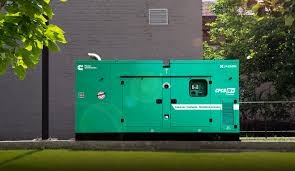
Generator placement affects performance, safety, and compliance. Diesel generators require adequate ventilation, stable foundations, and proper clearance. Outdoor installations must account for weather exposure and maintenance access.
Fuel storage location and exhaust routing are also key considerations. Proper placement ensures safe operation and allows technicians to service the system without disruption. Early planning prevents costly adjustments after installation begins.
Fuel Supply and Storage Planning
Diesel generators depend on a reliable fuel supply to operate during outages. Fuel storage capacity should align with anticipated runtime needs. Facilities that require extended backup power must plan for adequate fuel reserves.
Fuel quality management is equally important. Contaminated or degraded fuel can cause startup failures and engine damage. Proper storage solutions and regular inspection help maintain fuel integrity and generator readiness.
Permitting and Regulatory Requirements
Diesel generator installation is subject to local codes and regulations. Permits may be required for electrical connections, fuel storage, and emissions compliance. Environmental and safety standards must be met before operation.
Navigating these requirements can be complex. Working with experienced professionals helps ensure all permits are obtained and installations meet applicable regulations. Compliance protects property owners from delays and potential penalties.
Integration With Electrical Systems
A generator must integrate seamlessly with the existing electrical infrastructure. Transfer switches play a critical role by safely shifting power from the utility source to the generator during an outage.
Automatic transfer systems provide faster response and reduce the need for manual intervention. Proper integration ensures smooth transitions and protects sensitive equipment from power fluctuations.
Maintenance Planning After Installation
Installation is only the beginning of owning a generator. Routine maintenance ensures the system remains reliable when needed. Maintenance includes load testing, fluid checks, filter replacement, and inspection of electrical components.
Establishing a maintenance schedule helps prevent unexpected failures. Professional service providers can monitor performance and address issues before they affect operations.
The Value of Professional Installation
Diesel generator installation involves electrical, mechanical, and regulatory expertise. Improper installation can lead to safety hazards, system inefficiency, or operational failure. Professional installation ensures that all components are configured correctly and thoroughly tested.
Experienced technicians evaluate site conditions, confirm system compatibility, and verify performance under load. This level of oversight provides confidence that the generator will function as intended during critical situations.
Frequently Asked Questions About Diesel Generator Installation
How long does diesel generator installation take?
Installation timelines vary based on system size, site conditions, and permitting requirements.
Can a diesel generator power an entire facility?
Yes, if properly sized. Load assessments determine whether full or partial facility coverage is appropriate.
How often should a diesel generator be serviced?
Regular service is recommended, even if the generator is rarely used, to ensure it remains ready.
Are diesel generators suitable for commercial use?
Yes. Diesel generators are widely used in commercial and industrial settings due to their reliability and efficiency.
Planning for Reliable Backup Power
Diesel generator installation is a significant investment that supports operational continuity and safety. Proper planning, professional assessment, and proper installation practices ensure the system delivers dependable performance during power interruptions.
For property owners and businesses in Florida seeking professional diesel generator installation and service, working with experienced specialists is essential. To learn more about reliable generator solutions and expert installation support, visit Mid Florida Diesel.