What Is the Best Type of Render for Sydney Homes?
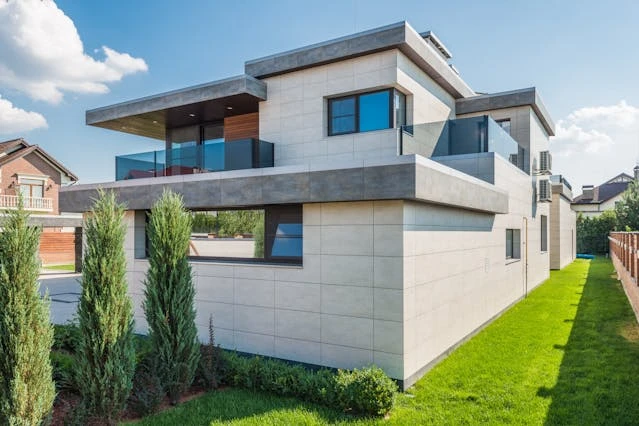
Choosing the right render for your Sydney home is not as straightforward as picking a colour or texture. The type of render you use will affect how well the surface holds up over time, how much maintenance it needs, and how it responds to the specific conditions in your area. Sydney is a city of varied climates and neighbourhoods, and what works well in one suburb may not be the right choice in another. This guide breaks down the main render types and helps you work out which one suits your home best.
Also Read: How Long Does Salmon Last in the Fridge? Storage & Safety Tips
Why Sydney’s Climate Makes Render Choice Important
Sydney experiences hot summers, mild winters, and high humidity in many areas, particularly along the coast. Suburbs close to the ocean are also exposed to salt air, which accelerates weathering and can break down render that is not designed to handle it. Inland areas like Penrith and Parramatta face a different challenge, with greater temperature swings between seasons. These conditions mean that render choice has a direct impact on how long your finish will last and how much work it will need over time.
The Main Types of Render Available
There are four main types of render used on Sydney homes: cement render, acrylic render, polymer render, and lime render. Each has its own strengths, weaknesses, and ideal applications. Understanding the differences between them is the first step to making the right choice for your property.
Cement Render
Cement render is the most traditional option and remains widely used across Sydney. It is made from a mix of cement, sand, and water and is generally the most affordable render type available. It is hard wearing and durable when applied correctly, and it works well in sheltered or inland locations where substrate movement and moisture exposure are less of a concern.
The main drawback of cement render is that it is rigid. When the substrate moves due to temperature changes or minor settlement, cement render is prone to cracking. It also requires painting after application and will need repainting every several years to maintain its appearance and protect the surface from moisture ingress.
Acrylic Render
Acrylic render is one of the most popular choices for Sydney homes and for good reason. It is flexible, which means it can accommodate minor substrate movement without cracking, making it well suited to Sydney’s temperature fluctuations. It is available in a wide range of textures and colours, and many acrylic render products include a coloured finish coat that does not require painting after application.
Acrylic render is pre-mixed, which means it is easier to apply consistently than site-mixed cement render and less dependent on the skill of the applicator getting the ratio exactly right. For homeowners looking for a reliable, low-maintenance finish across a range of Sydney locations, rendering Sydney professionals commonly recommend acrylic render as a strong all-round performer for both new builds and renovation projects.
Polymer Render
Polymer render is similar to acrylic render but contains additional synthetic binders that give it superior adhesion, flexibility, and moisture resistance. It is the preferred choice for coastal Sydney properties in areas like Bondi, Manly, Cronulla, and the Northern Beaches, where salt air and consistent moisture exposure put extra demands on the render.
Polymer render sits at a higher price point than both cement and acrylic render, but its durability in harsh coastal conditions often makes it the better long-term investment. If your home is within a few kilometres of the ocean, the additional upfront cost is generally worth it.
Lime Render
Lime render is a specialist product most commonly used on heritage homes. Sydney has a significant stock of heritage properties in suburbs like Paddington, Glebe, Newtown, and Balmain, and many of these require lime render for both practical and regulatory reasons. Lime render is breathable, which allows moisture to escape from the wall rather than becoming trapped behind the render. It is also more flexible than cement render, which suits the older masonry and sandstone substrates found in heritage buildings. Using a cement-based render on a heritage property can trap moisture and cause serious long-term damage to the original fabric of the building.
Which Render Is Best for Coastal Sydney Properties?
For homes in coastal suburbs, polymer render is the strongest performer. Its resistance to salt air, moisture, and UV exposure makes it the most suitable product for these conditions. Acrylic render is also a viable option and will outperform cement render in a coastal environment. When reviewing product specifications, look for references to salt resistance and moisture barrier properties before making a final decision.
Which Render Is Best for Inland and Western Sydney?
In areas like the Hills District, Blacktown, and the Hawkesbury, the conditions are less demanding from a moisture perspective but temperature extremes are more pronounced. Both cement render and acrylic render perform well in these areas. Acrylic render still has the edge when it comes to flexibility and crack resistance, but cement render is a cost-effective option for projects where budget is a primary consideration and the substrate is stable.
Cost Comparison of Render Types in Sydney
As a general guide, cement render is the most affordable option in terms of material cost, followed by acrylic render, polymer render, and lime render at the higher end. However, upfront material cost is only part of the picture. Cement render requires painting and more frequent maintenance, which adds to the total cost of ownership over time. Premium render types like polymer may cost more initially but can offer better value across a 20 to 30 year lifespan with less ongoing maintenance.
Questions to Ask Your Renderer Before Deciding
Before committing to a render type, it is worth asking your renderer a few key questions. Find out whether the product is compatible with your existing substrate, what finish options are available, whether the render includes a warranty, and how the product performs in your specific Sydney location. A good renderer will be able to justify their recommendation based on your property’s conditions rather than simply defaulting to whatever they use most often.
Final Word
The best render for a Sydney home depends on where you live, what your substrate is made of, how much you want to spend, and how much ongoing maintenance you are prepared to do. Acrylic render is the strongest all-round choice for most Sydney properties, polymer render is the go-to for coastal conditions, cement render suits sheltered inland applications on a tighter budget, and lime render is the right call for heritage properties. Getting advice from an experienced local renderer before making your final decision will help ensure you choose the right product for your specific situation.