
Who Is a Good Candidate for Implant Retained Dentures?
If you have been struggling with traditional dentures that slip when you eat, make it difficult to speak clearly, or simply never feel secure no matter how much adhesive you use, you are not alone. Implant retained dentures offer a more stable, comfortable, and natural-feeling alternative, and one of the most common questions people ask is whether they would actually qualify for them. The answer is that more people are candidates than they might expect. Here is what you need to know.
Also Read: SEO vs Paid Ads: Which One Works Best?
What Are Implant Retained Dentures?
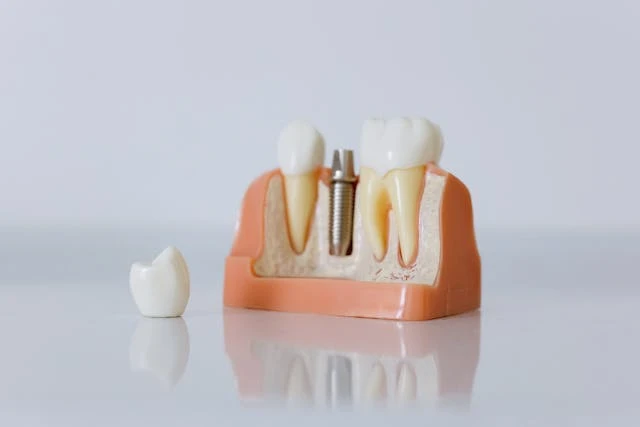
Implant retained dentures use titanium implants that are surgically placed into the jawbone to act as anchors for a full arch denture. Rather than relying on suction or adhesive to stay in place, the denture clips or snaps onto the implants, providing a level of stability and security that traditional dentures simply cannot match.
Unlike implant supported dentures which transfer all biting force directly onto the implants, implant retained dentures still receive some support from the gum tissue, which means fewer implants are typically required. This makes the treatment accessible to a wider range of patients while still delivering a significant improvement in comfort, function, and confidence compared to conventional dentures.
The Ideal Candidate for Implant Retained Dentures
The most suitable candidates for implant retained dentures are adults who are missing most or all of their teeth in one or both arches, or who have teeth that are so severely decayed, damaged, or failing that saving them is no longer a realistic or cost-effective option. People who are currently wearing traditional dentures and are unhappy with how they fit, how they feel, or how they perform day to day are also strong candidates.
Good general health is an important factor. Because implant placement is a minor surgical procedure, candidates need to be healthy enough to heal well after surgery. Sufficient jawbone density to support the implants is also important, though this does not automatically exclude patients with some degree of bone loss, as options exist to address this. A commitment to maintaining good oral hygiene and attending regular dental checkups is also essential for long-term success.
Patients Who Have Lost Teeth Due to Specific Causes
The reason behind tooth loss does not generally prevent someone from being a candidate, but it does play a role in how treatment is planned. For a closer look at how implant retained dentures work and what the treatment process involves, understanding the starting point helps both patients and clinicians plan the most effective approach.
Advanced gum disease is the most common cause of adult tooth loss and is a frequent reason people explore implant retained dentures. Tooth loss from extensive decay or multiple dental cavities is another common pathway, as is tooth loss resulting from accidents, trauma, or injury. Patients who have spent years managing multiple failing or broken teeth through individual repairs often reach a point where a comprehensive solution makes more sense than continuing to address each problem in isolation. In these cases, implant retained dentures offer a fresh start with a stable, long-term result.
What About Patients with Bone Loss?
Bone loss is one of the most common concerns raised by people wondering whether they are suitable candidates. When teeth are lost, the jawbone that previously supported those teeth begins to shrink over time because it no longer receives the stimulation it needs. Patients who have worn traditional dentures for many years are particularly likely to have experienced some degree of bone loss.
The good news is that bone loss does not automatically rule someone out. In many cases, a bone grafting procedure can be used to restore sufficient bone volume to support implant placement. For patients who have experienced more significant bone loss and are not able to undergo grafting, mini dental implants are a thinner alternative that require less bone for successful placement. A 3D scan or CT scan is the most reliable way to assess bone quality and quantity and determine what is possible for each individual patient.
Who May Not Be a Suitable Candidate?
While many people are suitable candidates, there are some factors that require careful consideration. Patients with uncontrolled diabetes or certain systemic health conditions that affect the body’s ability to heal may face higher risks with implant surgery. Heavy smokers have a reduced implant success rate because smoking interferes with healing and increases the risk of implant failure. Patients who have had radiation therapy to the head or neck region may also face additional challenges. Young patients whose jawbones have not yet fully developed are generally not considered candidates until growth is complete.
It is important to note that most of these factors do not automatically disqualify someone. They simply mean that a more thorough assessment is needed, and in some cases that additional steps may be required before treatment can proceed. A qualified implant dentist is best placed to review each situation individually.
Existing Denture Wearers Considering an Upgrade
Patients who are already wearing traditional dentures and are looking for a better solution are often among those who benefit most from implant retained dentures. The contrast between the stability of an implant retained solution and the movement and discomfort of a conventional denture is significant, and many existing denture wearers describe the change as transformative.
In some cases, an existing denture can be adapted or retrofitted with implant attachments rather than being replaced entirely, which can reduce the overall cost of treatment. However, if the existing denture is worn or no longer fits well, a new denture will usually be made as part of the process. The main consideration for long-term denture wearers is the degree of bone loss that may have occurred, which will be assessed during the consultation.
How to Find Out If You Are a Candidate
The only reliable way to determine whether you are a suitable candidate is through a consultation with an implant dentist. During this appointment your dentist will review your dental and medical history, take digital x-rays and likely a 3D CT scan, and assess the quality and quantity of your jawbone as well as the health of your gum tissue. This information forms the basis of a personalised treatment plan.
Going into a consultation with questions prepared is worthwhile. Ask about the number of implants recommended for your situation, whether bone grafting is likely to be needed, what the full treatment timeline looks like, and what the maintenance requirements will be over the long term.
Final Word
Most adults who are missing a significant number of teeth and are in reasonable general health are potential candidates for implant retained dentures, and even those with complicating factors such as bone loss often have viable options available to them. Do not assume you are not a candidate without speaking to a professional. A consultation is the first step toward finding out whether implant retained dentures could give you back the stability, comfort, and confidence that conventional dentures have not been able to provide.