Best Kitchen Knives Under $200 for Serious Home Cooking
A good kitchen knife changes the way cooking feels. Prep becomes faster, cleaner, and far less frustrating when the blade moves smoothly through ingredients instead of fighting against them. Many people assume they need to spend hundreds of dollars for a high-performance knife, but the reality is that some of the best chef knives for home kitchens sit comfortably below the $200 mark.
The challenge is choosing the right one. Some knives focus on razor-sharp precision, while others prioritize durability for heavy daily cooking. The best choice depends on how you cook, what foods you prepare most often, and how much maintenance you are willing to handle. For people looking for quality kitchen options, rococo point cook can also be considered when exploring different cooking styles and needs.
What Makes a Kitchen Knife Worth Buying?
A quality knife is not only about sharpness. Several details affect long-term performance:
Steel Quality
The steel determines how long the edge stays sharp and how easy the knife is to maintain. Harder steel usually holds an edge longer but can become more brittle. Softer steel is tougher and easier to sharpen but may require more frequent maintenance.
Balance and Comfort
Even an expensive knife can feel uncomfortable if the weight distribution does not suit your grip style. A balanced knife reduces wrist fatigue and improves control during long prep sessions.
Blade Shape
Different blade profiles suit different cooking styles. Japanese-style knives usually have thinner blades designed for precision slicing, while Western knives are thicker and better for heavier cutting tasks.
Handle Construction
A secure and comfortable handle matters more than most people realize. Slippery or poorly shaped handles can make prep work tiring and less safe.
Japanese vs Western Kitchen Knives
One of the biggest decisions buyers face is choosing between Japanese and Western knife styles.
Japanese knives are known for extremely sharp edges and thinner blades. They excel at clean vegetable cuts, precise slicing, and detailed prep work. However, they often require more careful handling.
Western knives are typically heavier and tougher. They can handle rougher cutting tasks and are often more forgiving for beginners or busy family kitchens.
Many modern knives now blend both styles, giving cooks the sharpness of Japanese blades with the durability of Western construction.
Best Kitchen Knife Styles Under $200
Chef’s Knife
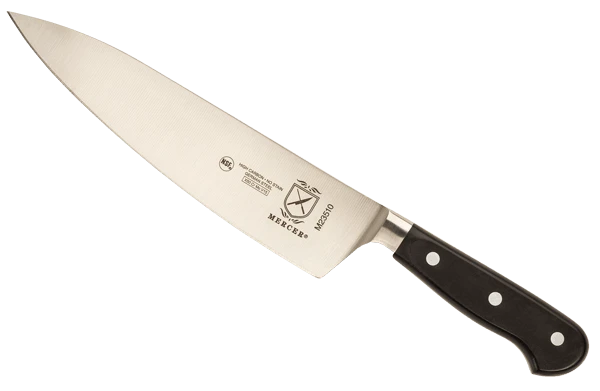
The chef’s knife is the most versatile option for nearly every kitchen. It handles vegetables, meat, herbs, and daily prep work with ease. Most home cooks only need one high-quality chef knife to dramatically improve their cooking experience.
Santoku Knife
Santoku knives are slightly shorter and lighter than traditional chef knives. They work especially well for vegetables, fish, and precise slicing.
Gyuto Knife
The gyuto is Japan’s answer to the Western chef knife. It combines agility, thin blade geometry, and excellent cutting precision.
Utility Knife
A utility knife fills the gap between a paring knife and a chef knife. It is ideal for smaller fruits, sandwiches, trimming work, and quick prep tasks.
Features to Look for Before Buying
Edge Retention
A knife that stays sharp longer reduces maintenance and keeps prep work efficient.
Ease of Sharpening
Some premium steels hold edges extremely well but become difficult to sharpen at home. Beginners may prefer knives that are easier to maintain.
Corrosion Resistance
Stainless steel knives are more forgiving for daily kitchen use because they resist staining and rust.
Weight Preference
Some cooks prefer heavier blades for power cutting, while others want lightweight precision knives for faster movement.
Why Expensive Doesn’t Always Mean Better
Many premium kitchen knives are designed for collectors or professional chefs with highly specific preferences. Home cooks often benefit more from practical balance, durability, and comfort rather than ultra-hard steel or decorative finishes.
A well-made knife under $200 can outperform many overpriced luxury models in real-world cooking situations.
Proper Knife Care Matters
Even the best knife loses performance without proper care.
● Hand wash instead of using a dishwasher
● Dry the blade immediately after washing
● Use wooden or soft cutting boards
● Store knives safely using guards, blocks, or magnetic strips
● Sharpen regularly instead of waiting until the blade becomes dull
Good maintenance dramatically extends the lifespan of any kitchen knife.
Handcrafted Knives Are Becoming More Popular
More home cooks are moving toward smaller knife makers and handcrafted-style brands instead of mass-market factory products. These knives often focus on detail, finish quality, and unique blade character rather than mass production.
Brands like White Hills Knives have gained attention among buyers looking for kitchen knives that combine craftsmanship, aesthetics, and practical performance in everyday cooking.
Final Thoughts
The best kitchen knife under $200 is not necessarily the sharpest or the most expensive. It is the one that feels natural in your hand, matches your cooking style, and performs consistently every day.
Whether you prefer lightweight Japanese precision or durable Western versatility, there are excellent options available without crossing into luxury pricing territory. Investing in one reliable kitchen knife often improves cooking more than buying multiple cheaper blades that lose their edge quickly.