
Plantar Fasciitis Treatments That Actually Work: A Straight-Talking Guide for Anyone Fed Up With Heel Pain
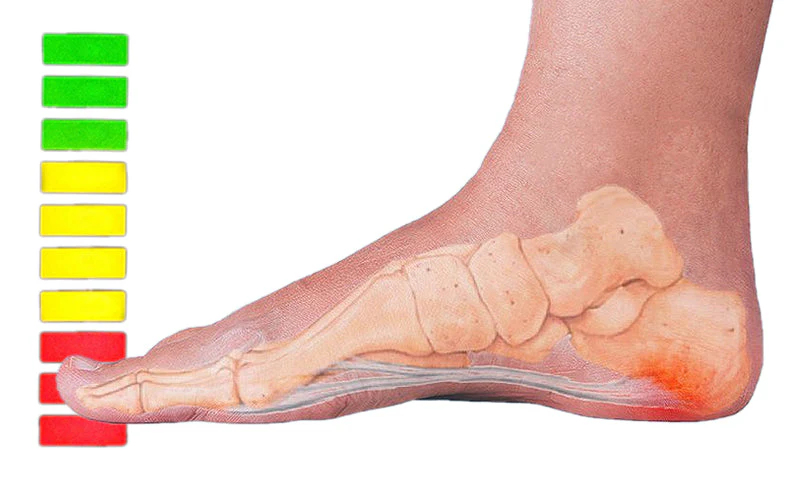
That stabbing feeling in your heel the second your foot hits the floor in the morning is not just bad luck. It has a name, a cause, and — crucially — very effective solutions.
“Heel pain is one of those things people put up with for far too long — assuming it will sort itself out. Sometimes it does. But when it does not, knowing what to do next makes all the difference.”
You probably did not notice it coming. One morning you swung your legs out of bed, stood up, and — ouch. A sharp, burning pain shot through the bottom of your heel. You hobbled to the kitchen, it eased off a little, and you figured you had just slept awkwardly. But it came back the next day. And the day after that.
If this sounds familiar, there is a very good chance you are dealing with plantar fasciitis — one of the most common causes of heel pain in the UK, affecting people of all ages and lifestyles. The good news is that there are proven, effective plantar fasciitis treatments available, and most people do not need surgery to get their life back.
What Is Actually Happening in Your Foot?
The plantar fascia is a thick band of tissue that stretches along the bottom of your foot, connecting your heel bone to your toes. It acts like a natural shock absorber, supporting the arch of the foot with every step you take. When this band becomes overloaded — through prolonged standing, sudden changes in activity, tight calf muscles, or unsupportive footwear — tiny tears begin to develop at the point where the tissue meets the heel bone.
Over time, these micro-tears cause inflammation, stiffness, and that unmistakable first-step pain that plantar fasciitis is known for. The pain is typically worst in the morning or after long periods of rest, then eases with movement — only to return after extended activity.
Who is most at risk? Runners, teachers, retail workers, anyone who spends long hours on hard floors, people with flat feet or high arches, and those who have recently changed their exercise habits significantly. That said, plantar fasciitis does not discriminate — it can affect almost anyone.
Treatments That Genuinely Help
Here is where things get more encouraging. The vast majority of plantar fasciitis cases — around nine in ten — resolve with non-surgical care when approached correctly. The key word is correctly. Generic advice like “rest more” or “ice it” only goes so far. Effective plantar fasciitis treatments are structured, consistent, and tailored to the individual.
Stretching and strengthening exercises sit at the core of most recovery programmes. Specifically, calf stretches and plantar fascia-specific stretching — particularly the first thing in the morning before you take a single step — have been shown repeatedly to reduce pain and accelerate recovery. These are not complicated movements, but they require commitment over weeks rather than days.
Orthotic insoles are another cornerstone of treatment. Custom or semi-custom foot supports redistribute pressure across the foot and take the load off the inflamed tissue at the heel. Combined with a change to more supportive footwear, many patients notice a significant improvement within a few weeks of consistent use.
For more persistent cases, shockwave therapy has become an increasingly popular and effective option. This non-invasive treatment uses acoustic energy to stimulate healing in chronically inflamed tissue that has stopped responding to conventional care. Results can be impressive, particularly for people who have been struggling with symptoms for three months or more.
Corticosteroid injections may be considered for short-term pain relief in cases where discomfort is severe and is preventing engagement with rehabilitation. However, they are not a cure — they create a window of reduced pain within which proper rehabilitation needs to happen.
Hammer Toe: Another Foot Problem Worth Addressing
While we are on the subject of foot health, it is worth touching on another condition that often goes untreated for longer than it should. Treatment for a hammer toe — where one or more of the smaller toes bends abnormally at the middle joint — follows a similar principle: early, conservative management gives the best outcomes, while ignoring the problem tends to make it worse over time.
Splinting, padding, specialised footwear, and targeted exercises can all help in the early stages. When the deformity becomes rigid and causes persistent pain, a minor surgical procedure to realign the toe joint provides lasting relief and restores normal function.
Heel Bumps: The Haglund’s Deformity Problem
Some patients who come in with heel pain are actually dealing with something slightly different. A firm bony lump at the back of the heel — sometimes aggravated by stiff-backed shoes — can indicate a condition known as Haglund’s deformity, and heel bumps treatment follows its own specific pathway. Conservative options include heel lifts, softer footwear, and physiotherapy. Where the bump is structurally significant and causing ongoing problems, surgical reshaping of the bone resolves it effectively.
A note on patience: Plantar fasciitis can take anywhere from a few weeks to several months to fully resolve, depending on how long it has been present and how consistently treatment is applied. The temptation to stop exercising or to push through pain without guidance often delays recovery. Structure and patience are not optional extras — they are part of the treatment itself.
Why Choosing the Right Specialist Changes Everything
Heel pain might feel like a minor inconvenience at first, but when it starts dictating how you move, work, or exercise, it stops being minor very quickly. Getting the right assessment early — rather than cycling through generic advice and hoping for the best — is almost always the faster route to recovery.
Mr Pavel Akimau is an orthopaedic consultant with a focused practice in foot and ankle conditions, including plantar fasciitis, hammer toe deformities, heel bumps, and a wide range of other problems that affect how people walk, stand, and live their daily lives. What patients consistently value is not just the clinical expertise, but the straightforward way complex conditions are explained and the genuine care taken to find a solution that fits each person’s life — not just a textbook answer.
Whether your situation calls for a structured rehabilitation plan, a minimally invasive procedure, or something in between, Mr Pavel Akimau brings the experience and judgement to guide you through it clearly and confidently. If your feet have been holding you back, it is worth having a conversation with someone who truly understands them.
Meta title
Plantar Fasciitis Treatments in the UK | Heel Pain Solutions That Work | Mr Pavel Akimau
Meta description
Struggling with heel pain? Explore proven plantar fasciitis treatments in the UK — from stretching and orthotics to shockwave therapy — plus expert advice on hammer toe and heel bumps from Mr Pavel Akimau.
Hashtags
#PlantarFasciitis#HeelPainUK#MrPavelAkimau#FootPainRelief#HammerToe#HeelBumps#OrthopaedicUK#FootHealth#PlantarFasciitisRelief#FootAndAnkle#HeelPainSolutions#ActiveRecoveryUK