
Build Better Acai Bowls with Coconut Base & Local Superfruits
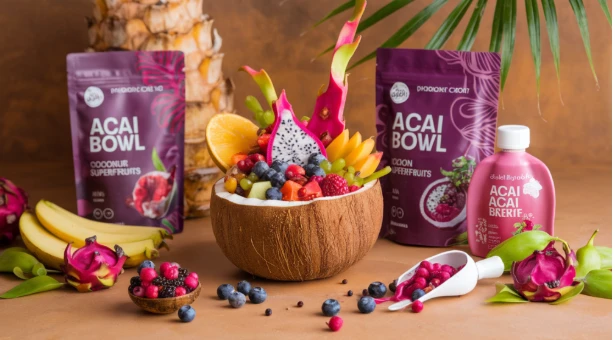
The acai bowl has evolved from a niche health food into a mainstream staple, appearing on menus from coastal surf towns to urban juice bars. While the classic acai blend remains popular, a growing number of enthusiasts are experimenting with coconut-based variations that add depth, creaminess, and a subtle tropical note to the traditional formula.
Also Read: How to Prepare Your Property for a Full Junk Removal Job
This shift toward coconut bases isn’t just about flavor. Coconut brings its own nutritional profile to the table, and when combined with locally sourced superfruits, it creates a bowl that’s both regionally distinctive and nutrient-dense. Here’s how to build one that works.
Why Coconut Works as a Base
Coconut offers more than just a creamy texture. It contains medium-chain triglycerides (MCTs), which are metabolized differently than other fats and can provide quick energy without the crash associated with simple carbohydrates. According to research published in the Journal of the Academy of Nutrition and Dietetics, MCTs may also support metabolic health when consumed as part of a balanced diet.
Beyond the fats, coconut provides:
- Fiber: Supports digestive health and helps maintain steady blood sugar levels
- Minerals: Including manganese, copper, and selenium, which play roles in bone health and antioxidant defense
- Lauric acid: A fatty acid with antimicrobial properties that may support immune function
- Low glycemic impact: Unlike fruit-heavy bases, coconut doesn’t spike blood sugar as dramatically
The result is a base that’s satisfying without being heavy, and that complements rather than competes with the tart acai flavor.
Building the Coconut Base
Creating a coconut base requires balancing consistency, flavor, and nutritional density. The goal is a thick, spoonable texture that holds toppings without turning into soup.
Start with full-fat coconut milk or coconut cream as your liquid foundation. The higher fat content creates the body you need. Add unsweetened shredded coconut for texture and to intensify the coconut flavor without adding sugar. If you want sweetness, use minimal amounts of honey or maple syrup—just enough to balance the tartness of acai, not to dominate it.
Blend until completely smooth, then refrigerate for at least 30 minutes. This chilling step is critical. It allows the fats to firm up slightly, giving you a base that’s thick enough to eat with a spoon rather than drink through a straw.
For those looking to refine their technique further, mastering smoothie bowl fundamentals can help you understand the relationship between liquid ratios, blending time, and final consistency.
Choosing Local Superfruits
The term “superfruit” gets thrown around loosely, but it generally refers to fruits with exceptionally high concentrations of vitamins, minerals, and antioxidants. While acai itself qualifies, adding other nutrient-dense fruits creates layers of both flavor and function.
The best approach is to source what’s available locally and in season. This ensures peak ripeness, reduces environmental impact, and often costs less than imported exotics. Depending on your region, consider:
- Dragon fruit: Mild and slightly sweet, with betalains that act as antioxidants and give the fruit its distinctive pink color
- Mango: High in vitamin C and beta-carotene, with a juicy sweetness that balances coconut’s richness
- Passion fruit: Tart and aromatic, loaded with vitamin A, fiber, and beneficial plant compounds
- Papaya: Contains papain, a digestive enzyme that may aid protein breakdown, plus significant amounts of folate and vitamin C
- Guava: One of the richest fruit sources of vitamin C, with more than four times the amount found in oranges
Each of these fruits brings distinct nutritional advantages. According to Healthline’s analysis of nutrient-dense fruits, combining multiple varieties in a single meal maximizes the range of phytonutrients you consume.
The Cultural Context of Acai Bowls
Understanding where acai bowls come from adds perspective to how they’ve been adapted globally. The acai palm grows throughout the Amazon basin, and indigenous communities have consumed the berries for centuries as a dietary staple. Traditionally, acai was served as a savory dish, blended with cassava flour and eaten alongside fish.
The modern acai bowl—sweet, cold, and topped with fruit and granola—emerged in Brazil’s coastal regions during the 1980s. Surfers in Rio de Janeiro and other beach towns popularized it as a post-session recovery meal, valuing its combination of quick energy and nutrient density. From there, it spread to Southern California in the early 2000s, where it was embraced by the health food community and eventually went mainstream.
This evolution reflects a broader pattern in food culture: traditional ingredients adapted to new contexts and preferences. The BBC’s exploration of acai’s global journey traces how a regional staple became an international phenomenon, shaped by both nutritional science and marketing.
Variations on the Coconut Base Theme
Once you’ve mastered the basic coconut base, the format becomes a canvas for experimentation. Here are several directions worth exploring:
- Tropical blend: Top with mango, pineapple, and toasted coconut flakes. Add a squeeze of lime for brightness.
- Berry-forward: Use strawberries, blueberries, and raspberries. A drizzle of raw honey enhances their natural sweetness without overwhelming it.
- Nut-based: Incorporate almonds, walnuts, or pecans for crunch and healthy fats. A spoonful of almond butter adds richness and helps with satiety.
- Green boost: Layer in kiwi slices, a handful of spinach, and chia seeds. The mild coconut base balances the earthiness of greens.
- Chocolate variation: Add cacao nibs, banana slices, and a pinch of cinnamon. This version leans dessert-like while maintaining nutritional integrity.
The key is balancing textures and flavors so that no single element dominates. Each component should contribute something distinct—whether that’s crunch, creaminess, tartness, or sweetness.
Why This Approach Works
Coconut-based acai bowls offer several advantages over traditional fruit-only bases. The fat content from coconut slows digestion, which helps prevent the blood sugar spike and subsequent crash that can come from high-sugar smoothie bowls. The MCTs provide sustained energy, making these bowls particularly effective as pre-workout or mid-morning meals.
Nutritionally, coconut complements acai’s antioxidant profile. While acai is rich in anthocyanins—the same compounds that give blueberries their health benefits—coconut provides minerals and fats that support absorption of fat-soluble vitamins. Together, they create a more complete nutritional package than either ingredient alone.
For those looking to try a convenient alternative, ready-to-blend coconut açaí bases provide a consistent, high-quality option without the need for trial-and-error recipe development. Brands like Acai Exotic offer pre-formulated blends designed for ease of use, while comparable options from Sambazon and Amafruits also deliver reliable, ready-to-use solutions that maintain both flavor and nutritional value.
Practical Next Steps
Building better acai bowls starts with understanding your ingredients and being willing to experiment. Visit local farmers markets to discover what’s in season. Talk to vendors about ripeness and storage. Buy small quantities of different fruits and test combinations to see what works for your palate.
Pay attention to texture as much as flavor. A great bowl has contrast—creamy base, crunchy toppings, juicy fruit. It should be visually appealing, with colors that indicate a range of phytonutrients. And it should be satisfying enough to keep you full for several hours, not just a sugar rush that fades quickly.
The coconut acai bowl isn’t just a trend. It’s a practical evolution of a format that was already working, made better through thoughtful ingredient selection and attention to nutritional balance. Whether you’re making them at home or ordering them out, understanding what makes them work helps you make better choices.