How to Master Food and Beverage Pairing Like an Expert
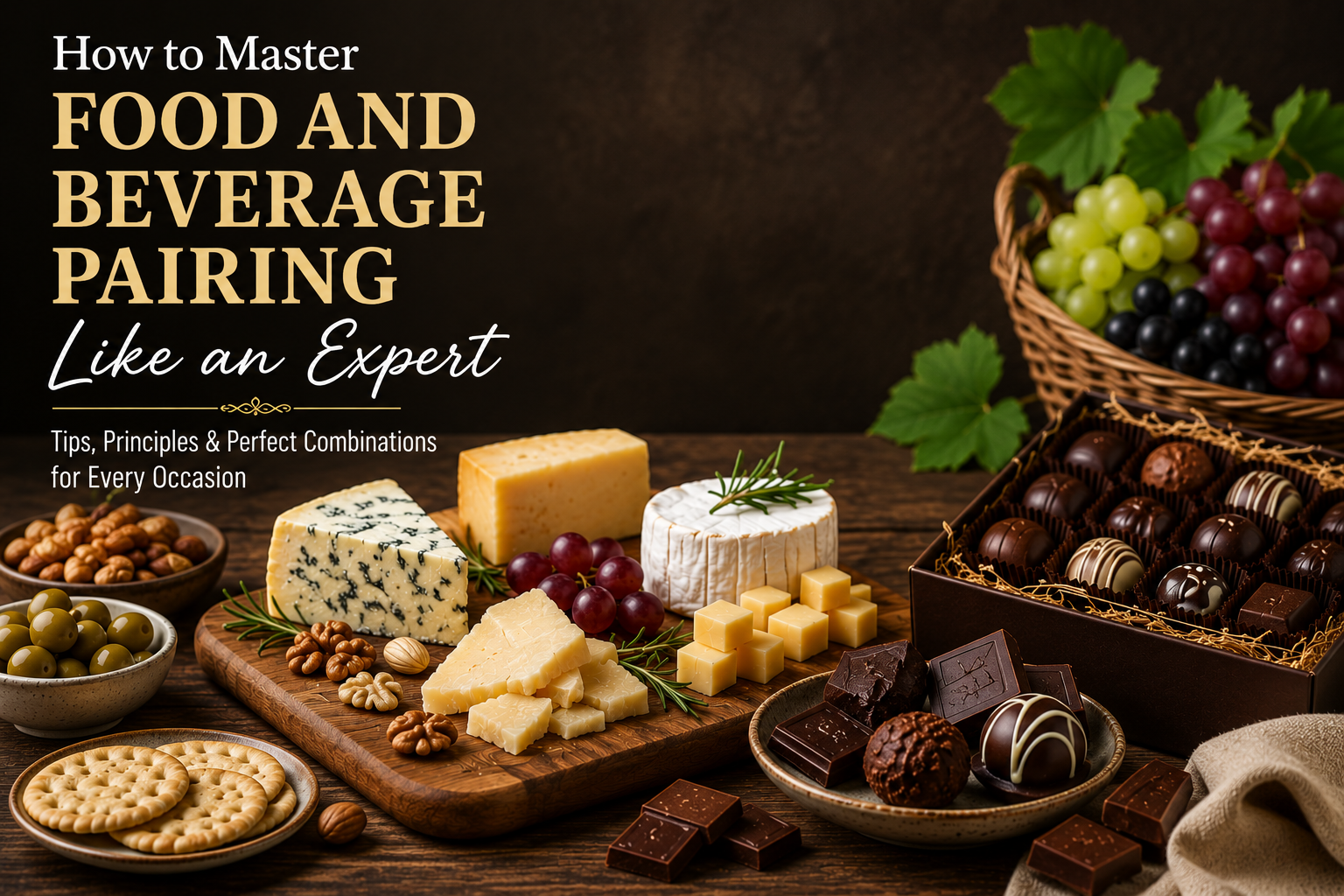
Food and beverage pairing is more than simply choosing a drink to accompany a meal. The right combination enhances flavors, balances textures, and creates a memorable dining experience. Whether you’re planning a dinner party, celebrating a milestone, or looking for a thoughtful gift, understanding how different foods and beverages complement one another can elevate every occasion.
The good news is that mastering food and beverage pairing doesn’t require professional training. By learning a few simple principles, you can confidently create combinations that delight your guests and make every meal feel special.
Why Food and Beverage Pairing Matters
A well-planned food and beverage pairing allows both elements to shine without overpowering one another. The goal is to create harmony, where flavors work together to enhance the overall experience.
Successful pairings consider factors such as sweetness, acidity, richness, bitterness, and texture. For example, refreshing beverages often balance rich dishes, while bold flavors pair well with hearty meals. Even simple snacks become more enjoyable when served with the right beverage.
Understanding these basics helps you create pairings suitable for family dinners, celebrations, corporate events, and holiday gatherings.
Understand the Basic Flavor Profiles
Before experimenting with pairings, it’s helpful to recognize the major flavor characteristics found in foods and beverages.
Sweet
Sweet flavors balance spicy or salty dishes and soften bold ingredients.
Acidic
Acidity brings freshness and cuts through creamy or fatty foods, making meals feel lighter.
Savory
Savory dishes often pair well with beverages that complement rather than compete with their rich flavors.
Bitter
Bitterness can add complexity and works best when balanced with sweetness or richness.
Rich and Creamy
Creamy foods benefit from beverages with enough freshness or structure to prevent the meal from feeling too heavy.
Learning these flavor relationships provides a strong foundation for creating enjoyable food and beverage pairings.
Match Intensity Instead of Dominating Flavors
One of the biggest mistakes people make is pairing delicate foods with overpowering beverages or serving bold dishes with beverages that lack enough character.
Light appetizers generally work best with lighter beverages, while grilled meats, roasted dishes, and rich desserts often benefit from fuller-bodied options. Keeping flavor intensity balanced allows every component to contribute equally to the meal.
Think About Texture as Well as Taste
Texture plays an important role in food and beverage pairing. Crisp beverages complement fried foods by adding freshness, while creamy dishes often benefit from beverages that provide contrast.
Crunchy, smooth, creamy, and crisp textures all influence how enjoyable a pairing feels. Paying attention to mouthfeel creates a more complete dining experience beyond flavor alone.
Seasonal Pairings Make Every Occasion Better
Seasonal ingredients naturally inspire better pairings.
During spring and summer, lighter salads, grilled vegetables, fresh fruit, and seafood pair beautifully with refreshing beverages.
In autumn and winter, roasted meats, hearty stews, creamy pasta, and baked desserts work well with fuller-bodied beverages that complement comforting flavors.
Choosing seasonal combinations helps create meals that feel appropriate for the time of year while highlighting fresh ingredients.
Pair Desserts with Thoughtful Gift Options
Desserts are often the highlight of celebrations, making them an excellent opportunity to create memorable pairings. Rich chocolates, truffles, brownies, and gourmet sweets become even more enjoyable when thoughtfully matched with complementary beverages that enhance their flavors.
For birthdays, anniversaries, holidays, and corporate occasions, wine and chocolate gift baskets offer a convenient way to present these carefully selected combinations. Many gift baskets feature premium chocolates alongside complementary beverages, creating an elegant gift that recipients can enjoy immediately or save for a special celebration. Choosing wine and chocolate gift baskets is a practical option for anyone looking to purchase a sophisticated gift that combines indulgence with expertly paired flavors.
Create Memorable Entertaining Experiences
Whether you’re hosting a dinner party or celebrating with family, thoughtful pairings leave a lasting impression.
Consider building your menu gradually:
- Start with light appetizers.
- Serve a balanced main course.
- Finish with desserts that complement the overall meal.
- Include snacks and accompaniments that enhance the beverage selection.
Planning the entire experience instead of individual dishes creates a smoother and more enjoyable event for everyone involved.
Gourmet Pairings That Everyone Appreciates
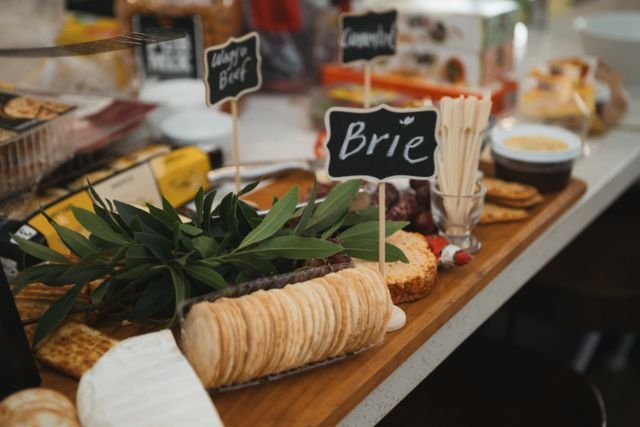
Cheese remains one of the most versatile foods for pairing because its wide variety of textures and flavors offers countless possibilities. Soft cheeses, aged varieties, creamy selections, and hard cheeses each create unique tasting experiences when paired thoughtfully with complementary beverages.
For gifting occasions, wine and cheese gift baskets continue to be among the most popular choices for both personal and professional celebrations. These curated selections combine gourmet cheeses with carefully matched beverages, crackers, nuts, and specialty snacks that encourage enjoyable tasting experiences. Whether you’re searching for a housewarming present, holiday surprise, client appreciation gift, or anniversary gesture, wine and cheese gift baskets provide an elegant solution that appeals to a wide range of tastes while showcasing classic food and beverage pairing traditions.
Common Pairing Mistakes to Avoid
Even experienced hosts occasionally overlook a few important details. Avoid these common mistakes:
- Pairing strong flavors with delicate foods.
- Ignoring acidity when serving rich dishes.
- Choosing beverages based solely on personal preference instead of the menu.
- Serving everything at the same temperature.
- Forgetting to consider texture alongside flavor.
Keeping these points in mind helps create more balanced and enjoyable meals.
Practice Makes Perfect
The best way to master food and beverage pairing is through experimentation. Try different combinations, compare flavors, and take note of what works best for your palate.
Hosting tasting evenings with friends or family is a fun way to discover new favorites. Sampling various foods alongside different beverages helps develop confidence while making the learning process enjoyable.
Remember that there are very few strict rules. Personal preference always plays an important role, and some of the most memorable pairings come from trying something unexpected.
Conclusion
Mastering food and beverage pairing is about understanding balance, flavor, texture, and occasion rather than following rigid rules. By matching complementary tastes and considering seasonal ingredients, you can transform everyday meals into memorable dining experiences.
Whether you’re preparing a family dinner, entertaining guests, or selecting thoughtful gifts, well-planned pairings always make a lasting impression. From elegant desserts complemented by wine and chocolate gift baskets to gourmet experiences featuring wine and cheese gift baskets, thoughtful combinations add both flavor and sophistication to every celebration. With a little practice and creativity, anyone can confidently create pairings that bring people together and make every occasion more enjoyable.